

Forehead Lines and Expression Wrinkles: When to Seek Medical Advice


Forehead Lines and Expression Wrinkles are common skin changes that can become more visible with facial movement, natural ageing, sun exposure, and changes in skin elasticity. They are usually a normal part of getting older and are not normally a sign of illness. Still, understanding why they appear can help you decide when simple skincare may be enough and when professional advice may be useful.
Dr Anna Aesthetics in Belgravia, a consultation can provide an opportunity to discuss your skin concerns with a qualified professional. The aim is to understand the condition of your skin, explain possible causes, and discuss suitable options when needed.
What Causes Lines on the Forehead?
Lines on the forehead often develop because the muscles beneath the skin move during everyday facial expressions. Raising the eyebrows, frowning, concentrating, and showing surprise can all create temporary folds in the skin. Repeated movement over many years may make these folds more noticeable.
Natural ageing can also change the structure of the skin. As people age, the skin may become less firm and elastic. Changes in collagen and elastin can affect how quickly the skin returns to its usual shape after facial movement. Sun exposure is another important factor. Ultraviolet radiation can affect the skin over time and contribute to visible ageing. Genetics, smoking, environmental exposure, and skin hydration can also influence how quickly lines become noticeable.
How Facial Movement Affects the Skin
Facial expressions are a normal part of communication. Smiling, laughing, frowning, and raising the eyebrows all involve movement of muscles under the skin. These movements create temporary lines that usually disappear when the face relaxes.
Over time, repeated movement can make some expression lines more visible. However, this does not mean people should avoid normal facial expressions. They are a natural part of daily life and emotional communication.
The way expression lines develop varies between individuals. Some people may notice them earlier, while others may have fewer visible lines for longer. Genetics, skin type, sun exposure, and natural ageing can all contribute to these differences.
Understanding these factors is useful because the appearance of a line alone does not explain its cause. Professional assessment may provide a clearer picture.
When Should You Seek Medical Advice?
Most facial lines are a normal part of ageing and do not need medical treatment. However, some skin changes should be checked by an appropriate healthcare professional, especially if they are new, unusual, painful, or changing.
You should seek medical advice if a mole changes in size, shape, or colour, or if you notice a mark that repeatedly bleeds. A sore that does not heal, persistent itching, ongoing pain, or an unusual growth should also be assessed.
It can also be helpful to seek advice when you are unsure about a skin change. A medical professional can assess the area and explain whether further investigation is needed. Aesthetic concerns can be discussed separately. However, cosmetic treatment should never replace medical assessment when a skin change may have a medical cause.
Why a Skin Care Consultation Can Help
Skin Care Consultation in Belgravia can help you understand your skin in a more individual way. During a consultation, a qualified professional can consider your skin condition, medical history, current routine, previous treatments, and personal concerns.
This can be useful when you are unsure whether visible lines are mainly linked to facial movement, skin quality, sun exposure, or natural ageing. It may also help identify areas where changes to everyday skincare could support your skin.
A consultation does not mean that you need a procedure. Instead, it gives you a chance to ask questions, understand your options, and decide what feels appropriate for your situation.
The Role of Sun Exposure
Sun exposure is an important factor in visible skin ageing. Ultraviolet radiation can affect the skin over time and contribute to wrinkles, uneven skin tone, and changes in texture. Daily sun protection can help reduce ongoing exposure. Using a broad-spectrum sunscreen and following other sun-safe habits can support long-term skin health.
Simple habits include using sunscreen regularly, seeking shade when sunlight is strong, and wearing protective clothing when practical. These steps are useful even when visible lines are not a current concern.
Sun protection cannot remove existing lines. However, it can help reduce further UV-related damage and support the overall condition of the skin.
Can Skincare Help With Fine Lines?
Skincare cannot stop natural ageing, but it can support healthy skin and improve some aspects of its appearance. Moisturising helps maintain hydration, which may make some fine lines look less noticeable.
A simple routine may include gentle cleansing, moisturising, and daily sun protection. Other products can be considered based on your skin type and individual concerns.
It is usually better to introduce new products gradually rather than changing many products at once. This makes it easier to notice irritation and understand how your skin responds. If you are unsure which products may suit your skin, professional guidance can be useful. A practitioner can consider your skin condition before discussing possible skincare choices.
What Is Skin Rejuvenation?
Skin rejuvenation is a broad term used for care and procedures that aim to improve aspects of skin quality. Depending on the method, this may include concerns such as texture, firmness, hydration, and the appearance of fine lines.
skin rejuvenation treatment can involve different approaches. The purpose, process, expected results, and recovery can vary depending on the procedure being considered.
Skin rejuvenation is not one single treatment. Different procedures work in different ways and may be designed for different concerns. A professional assessment can help explain what a particular procedure is intended to address. It can also help you understand potential risks, limitations, and whether another approach may be more suitable.
Understanding RF Microneedling
RF microneedling combines microneedling with radiofrequency energy. It is designed to create controlled treatment points in the skin while delivering radiofrequency energy below the surface. It may be considered for concerns involving skin texture, firmness, scars, and fine lines. RF microneedling treatment is available at Dr Anna Aesthetics in Belgravia. Like other aesthetic procedures, it may not be suitable for every person.
RF microneedling works differently from treatments that focus mainly on facial muscle movement. Understanding the cause of your concern is therefore important before considering this approach. During a consultation, a qualified practitioner can explain how the procedure works, what it may address, possible side effects, and what recovery may involve.
Understanding Injectable Treatments
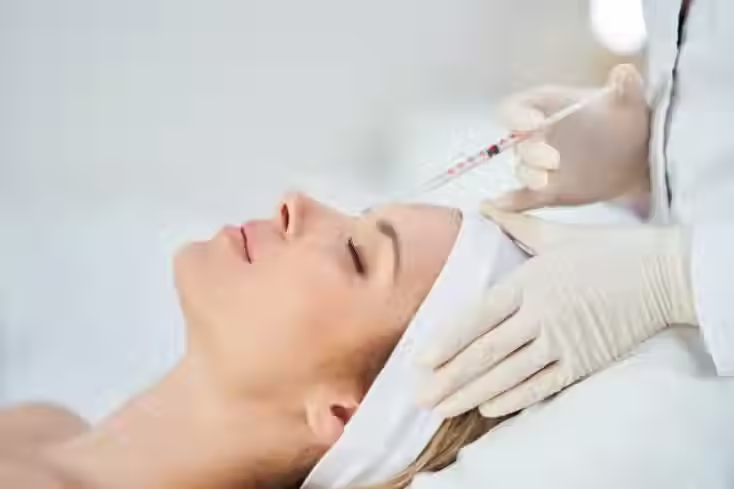
Some aesthetic treatments use injections to address specific facial concerns. Certain injectable procedures may temporarily reduce muscle activity associated with expression lines, while others may address changes in facial volume or skin quality.
These treatments are not suitable for everyone. Medical history, facial anatomy, skin condition, medicines, previous procedures, and individual goals may all need to be considered.
A qualified prescriber should determine whether an injectable procedure is appropriate after an individual assessment. They should also determine the dosage and treatment approach based on the person's circumstances. Information in an article cannot determine treatment suitability. A consultation is therefore an important step for anyone considering an injectable procedure.
How Different Treatments Address Different Concerns
Aesthetic treatments do not all work in the same way. Some focus on skin texture, while others may address facial movement, volume, firmness, or other visible changes.For example, a skin-focused procedure may be considered when texture or firmness is the main concern. An injectable approach may work through a different mechanism. Skincare, meanwhile, focuses on maintaining the condition and health of the skin.
This difference matters because similar-looking lines can have different underlying causes. A professional assessment can help identify the concern before treatment is discussed. You should understand what a treatment is designed to do, what its limits are, and what alternatives may be available before making a decision.
What Happens During a Professional Consultation?
A consultation usually starts with a discussion about your main concerns. The practitioner may ask when you first noticed the lines, whether they have changed, and what you would like to understand or improve. Your medical history may also be reviewed. Tell the practitioner about relevant medicines, allergies, previous procedures, and skincare products. This information can help with a safe and appropriate assessment.
The practitioner may examine the areas of concern and explain possible causes. If treatment is discussed, you should receive information about the procedure, risks, expected results, recovery, and alternatives. A consultation should also give you time to ask questions. You should not feel pressured to choose a procedure before you are comfortable with the information provided.
Conclusion
Facial lines can develop through normal facial movement, natural ageing, sun exposure, genetics, and changes in skin structure. Their appearance can vary greatly between individuals, so there is no single approach that suits every concern.
Skincare and sun protection can support overall skin health, while professional assessment can help explain whether an aesthetic procedure may be appropriate. It is also important to seek medical advice when a skin change appears unusual, painful, or continues to change. If you would like to discuss your individual skin concerns with a qualified professional, contact Dr Anna Aesthetics to arrange a consultation.
Frequently Asked Questions
Are facial lines normal?
Yes. Facial lines are common and can develop as part of natural ageing and repeated facial movement.
Can sun exposure make lines more visible?
Yes. Long-term UV exposure can contribute to visible skin ageing, including wrinkles and changes in skin tone.
Can skincare remove fine lines?
Skincare cannot stop natural ageing. However, moisturising and sun protection can support healthy skin and improve its appearance.
When should I seek professional advice?
Professional advice can help if you are concerned about a skin change, unsure about its cause, or considering an aesthetic procedure.
Is every aesthetic procedure suitable for everyone?
No. Suitability depends on individual factors such as skin condition, medical history, treatment goals, and the procedure being considered.


Comments